
In need of an easy method for displaying your string instrument? Look no further! Here's a super simple way to hang your ukulele, using just a few materials you probably have lying around the house already. Ready for the quickest tutorial ever? Let's go...
Read More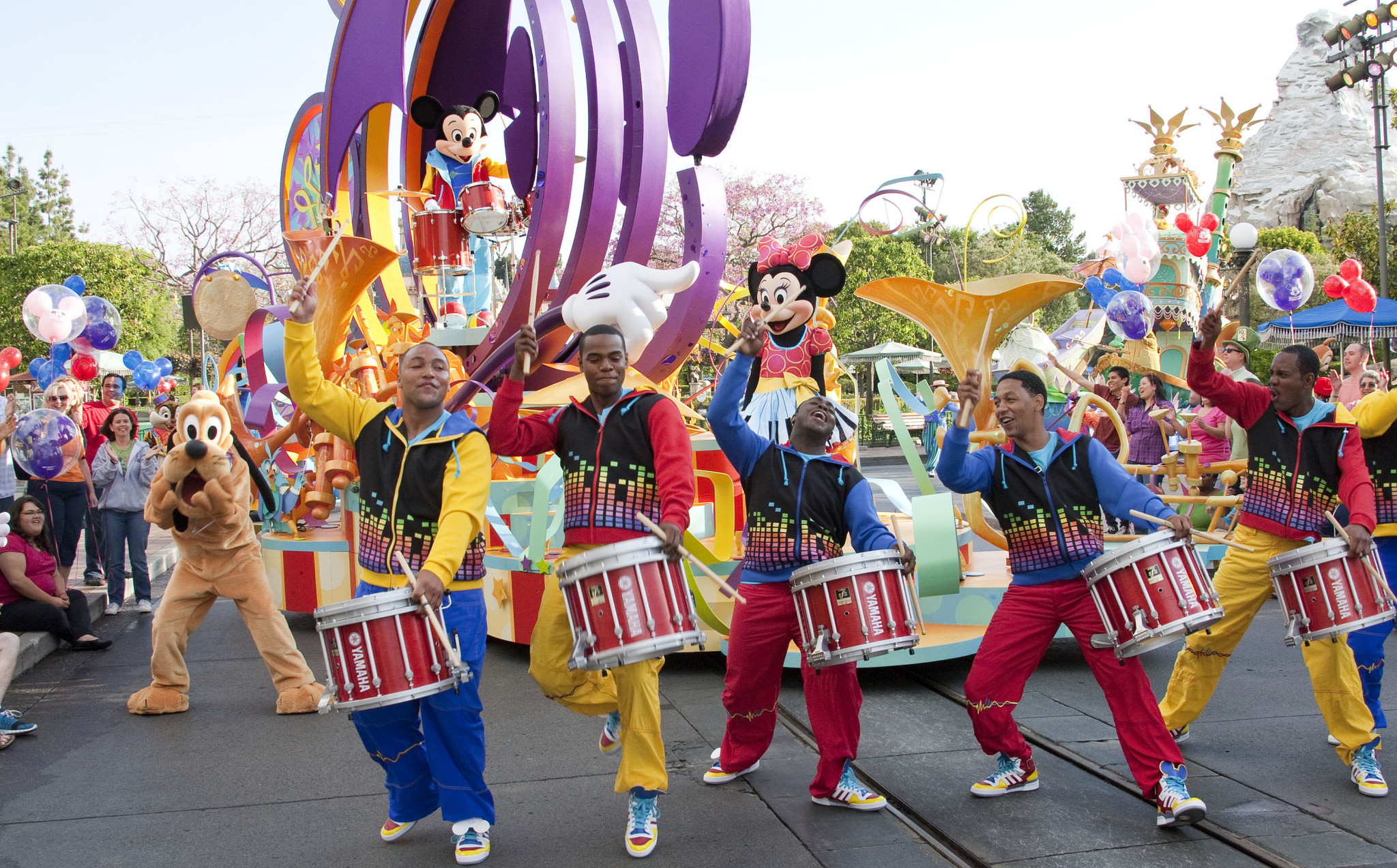
Live Music at Disneyland
My husband and I have taken the kids to Disneyland a handful of times, and each of us has a different priority when we go— my husband wants to go on all the rides, the kids want to meet all the characters, and I want to see all of the "park atmosphere entertainment" (the term used for the many musical acts that perform throughout the parks). There are so many opportunities to catch live music throughout the park, and taking a few minutes to stop and listen is sure to add a little magic to your next visit. Here are a few of my favorite musical acts:
Read MoreGet to Know Your Ukulele (Free Printable)
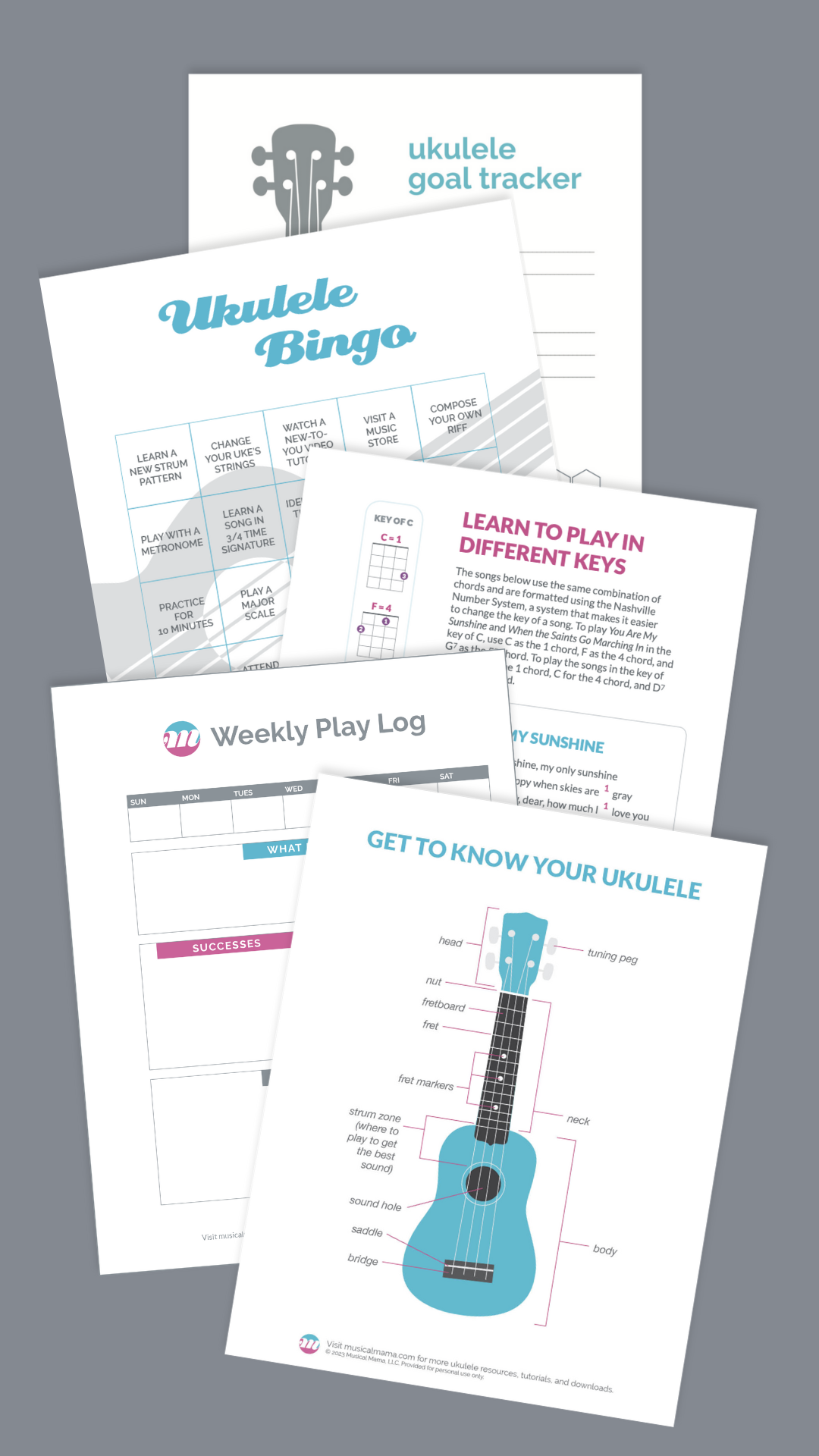
Oh, man. I love a good printable! They're great for kids (we use them on road trips all the time), and I enjoy creating free downloads to share here on the blog, though so far I've focused on creating printables for kids. But these Get to Know Your Ukulele printables are handy for all beginning ukulele players— kids and grown-ups alike.
Read MoreUpdated: MY UKULELE AND TUNER RECOMMENDATIONS
An update of my original post from 11/29/2016. My tuner recommendation remains the same, but I have updated the ukulele section.
So you've signed up for lessons? Yay! This is so exciting! Now let's make sure you have what you need to get started. There are really only two things you'll have to bring to the first lesson: a digital tuner and a ukulele. This post includes my recommendations for obtaining those items with only a modest initial investment.
Read MoreMeet Shawna
I owe a lot to Shawna.
She's my very talented friend who designed the Musical Mama logo, and she was also my very first ukulele student (though I affectionately referred to her as my guinea pig, ha!). Shawna even let me make this video, where she shares her experience of going through the beginner's course:
Having her as my first "test" student helped me refine my teaching style and improve my course materials before I officially launched Musical Mama, and I'll always be grateful for her help. Thank you for everything, Shawna! You're the bomb dot com!
Mythbusting: Am I Too Old to Learn an Instrument?
Short answer: NO!
Longer answer: Somewhere, someone got the idea that there was such a thing as being "too old" to learn how to make music. And now many people seem to share this weird idea! Where did they learn this? I've spent the past few days thinking about it, and I think it boils down to two common misperceptions:
Myth 1: Music is Mysterious and Difficult
The world of musicians can feel like a secretive club with restricted access. And if you do dare to enter that world, you'll have to dedicate years of tedious practice before you'll be any good. FALSE! In my lessons, I cover the basics— strumming, chords, etc— but I also incorporate a lot of practical music theory so you learn the patterns behind popular music, which gives you a better understanding of how music works. And we dive right into playing (the first lesson includes four songs) so you can experience the joy of making music right away.
Myth 2: Music is Intimidating
What if I try and I'm not any good? Yikes!
Have you ever talked yourself out of trying something new? When I'm feeling nervous or scared in this way, I try to imagine my future self who has already done the scary thing. What will it feel like to have done ________? I also ask myself, what is the worst (realistically) that can happen? It's usually not as bad as my fear makes it out to be. There are some things you probably ARE too old for: playing the lead in Annie or becoming an Olympic gymnast, perhaps, but learning an instrument is not one of those things.
Need some inspiration? Check out Grandma Mary Ho in a video that's popping up all over social media:
H/T to Elaine for first sharing the Grandma Mary video with me. Isn't she wonderful? I'd love to jam with her!
When was the last time you did something even though you felt nervous? How did you get through it? I'd love to hear!
PS: If you're interested in learning how to make music in a friendly, approachable environment, please contact me.
Taking the Kamaka Ukulele Factory Tour
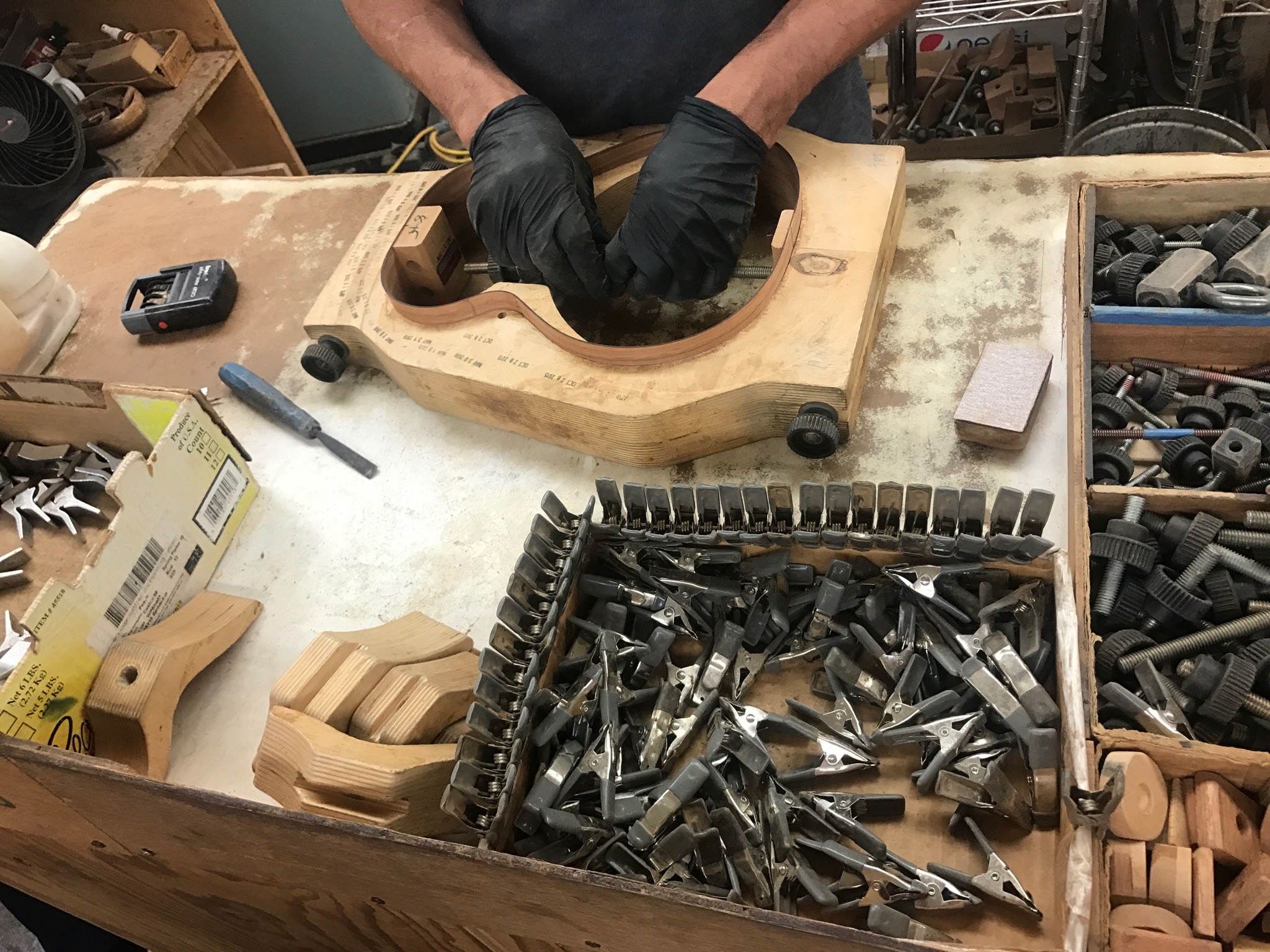
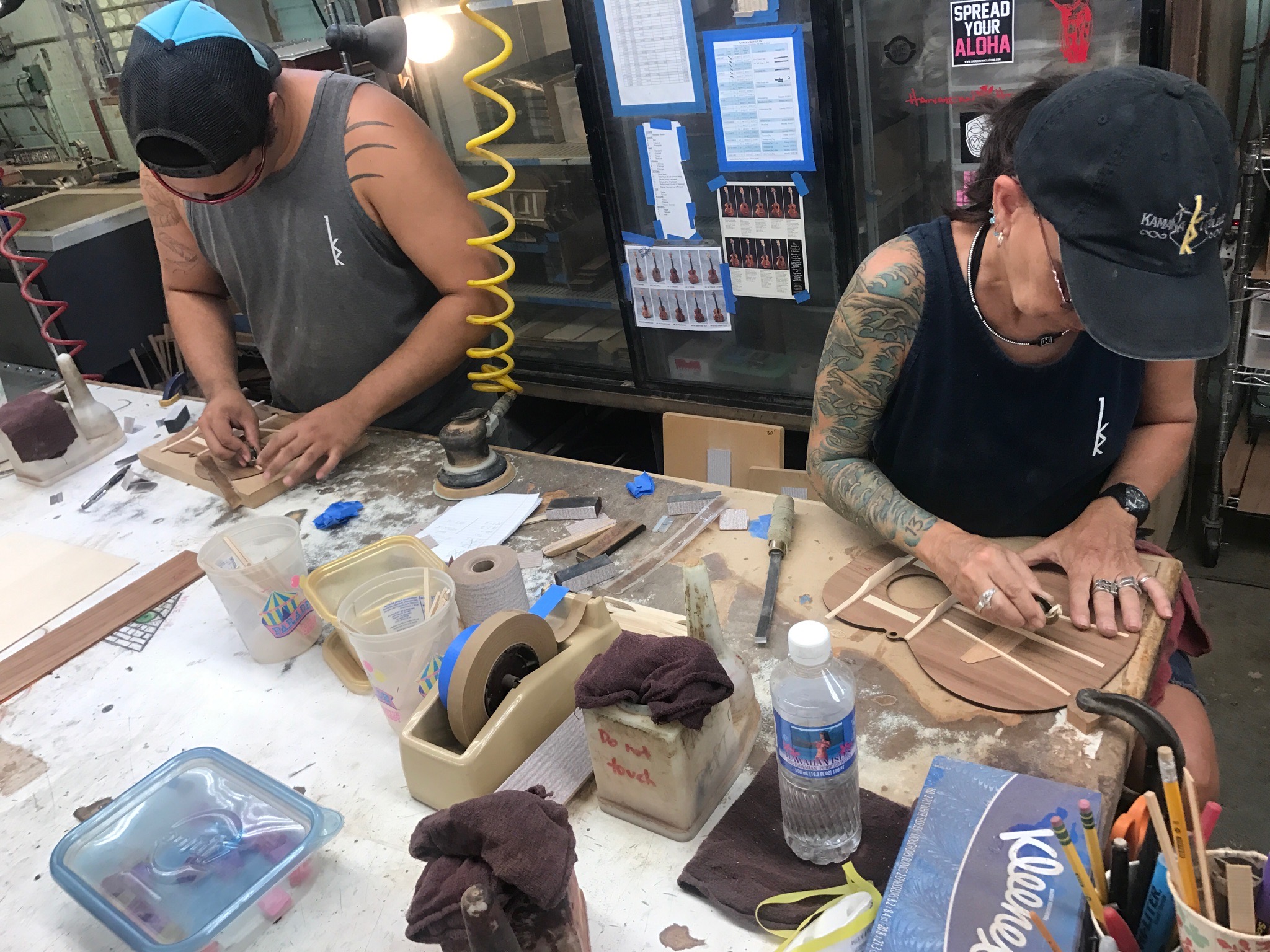
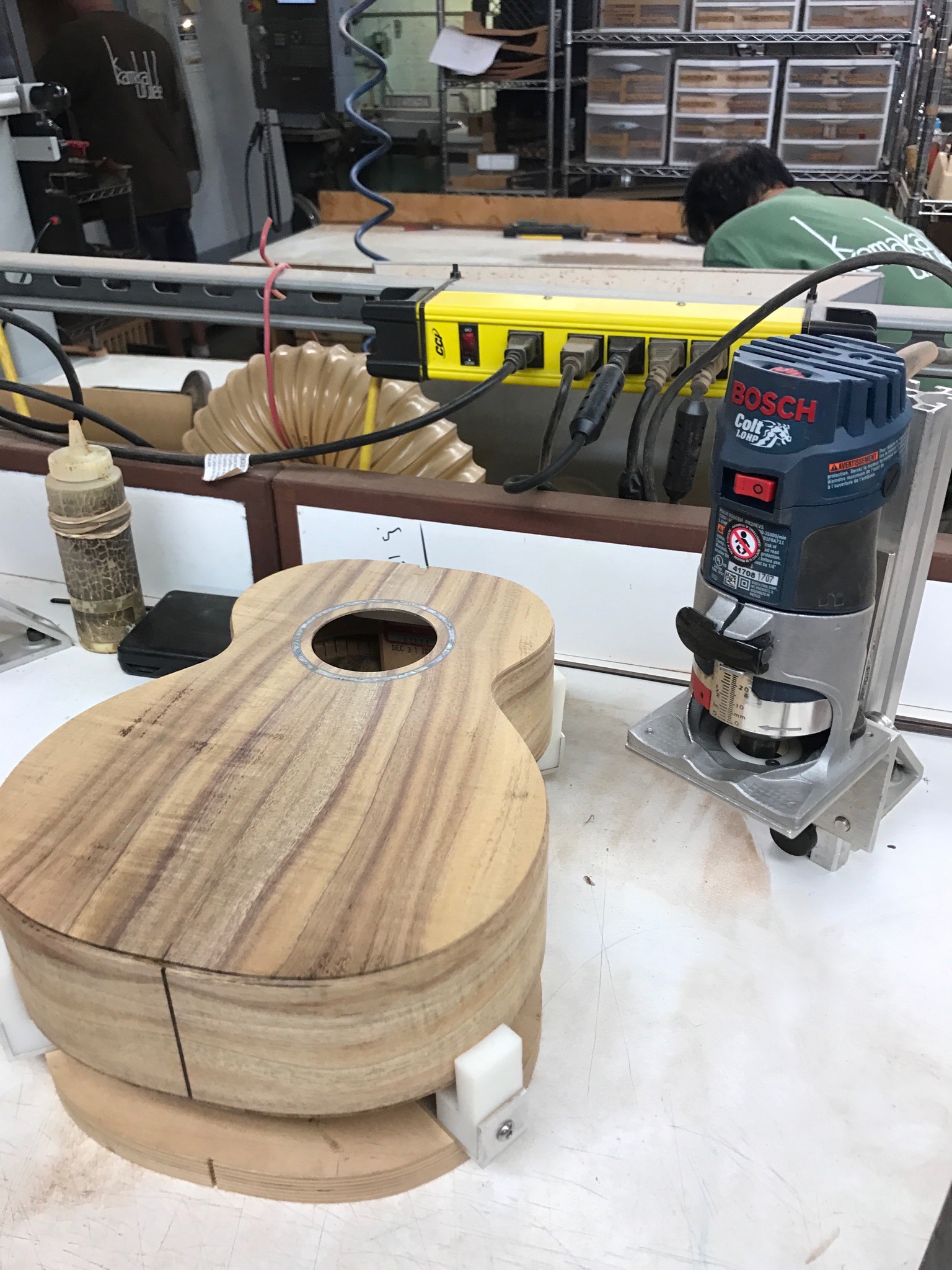
We vacationed on Oahu recently and one of the highlights of our trip was taking a tour of the Kamaka ukulele factory. I mostly focus on the playing of ukes, so it was neat to learn more about how Kamaka's well-regarded instruments are made.
The tour began in the small main office area with a history lesson by Fred Kamaka Sr, who's in his 90s. We were all riveted as he chatted about the company's origins (it was started by his father) and the company's 100 year history of making instruments. The tour then moved on to the warehouse, where Fred Jr walked us through the entire manufacturing line. It was very cool to see how invested the Kamaka family is in the brand, with the company now being run by third and fourth generation family members.
Here are a few photos:

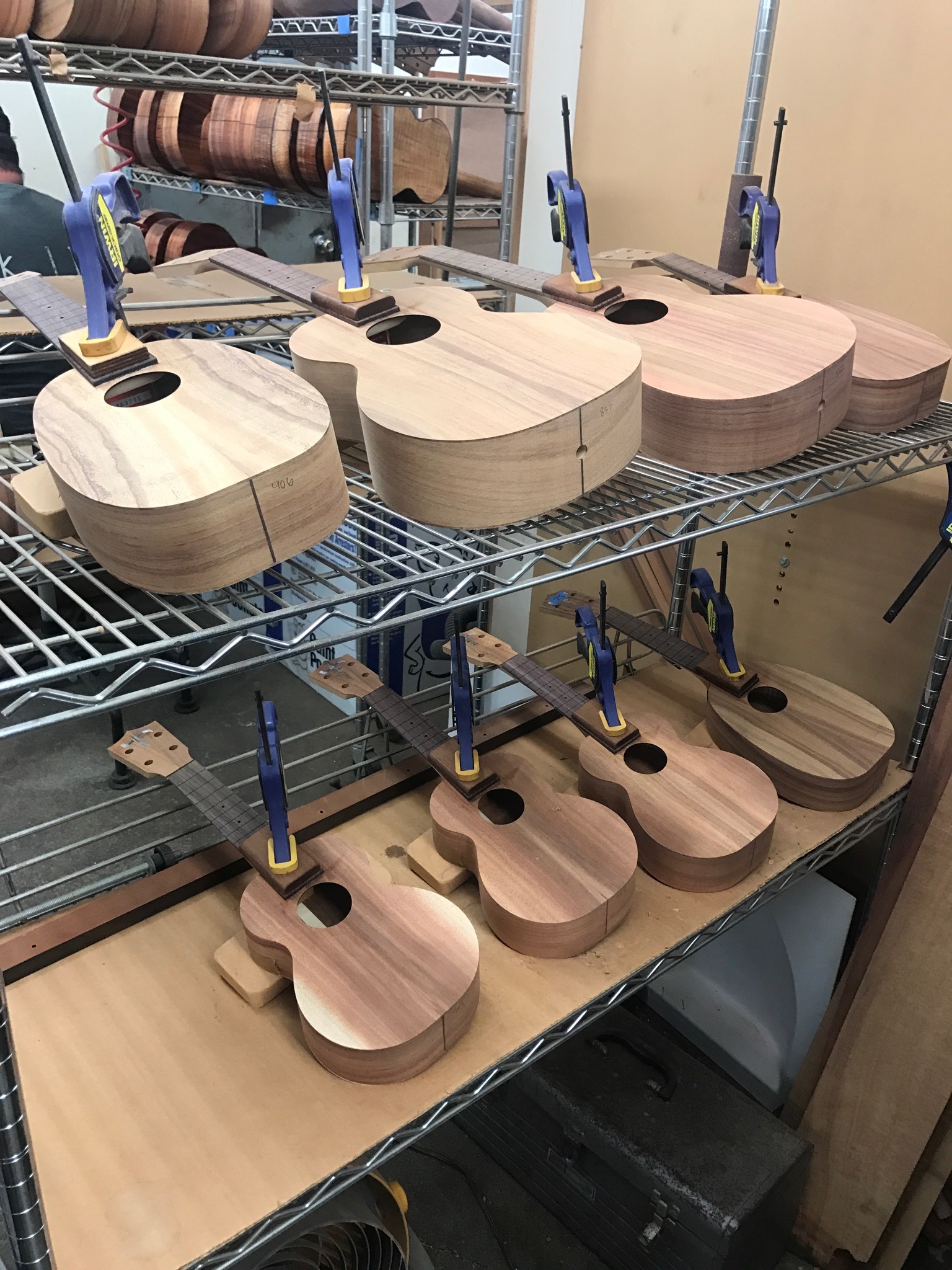
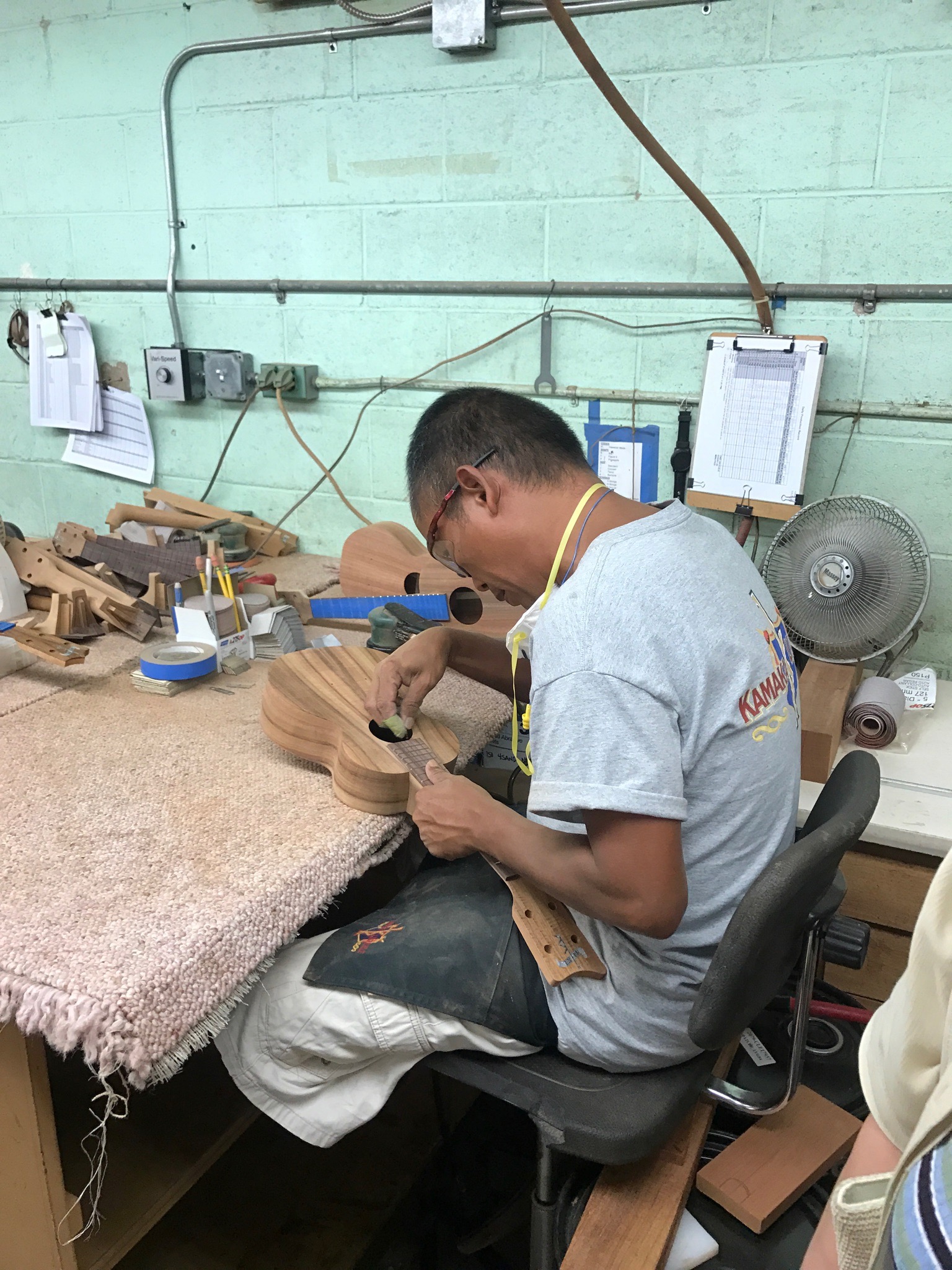
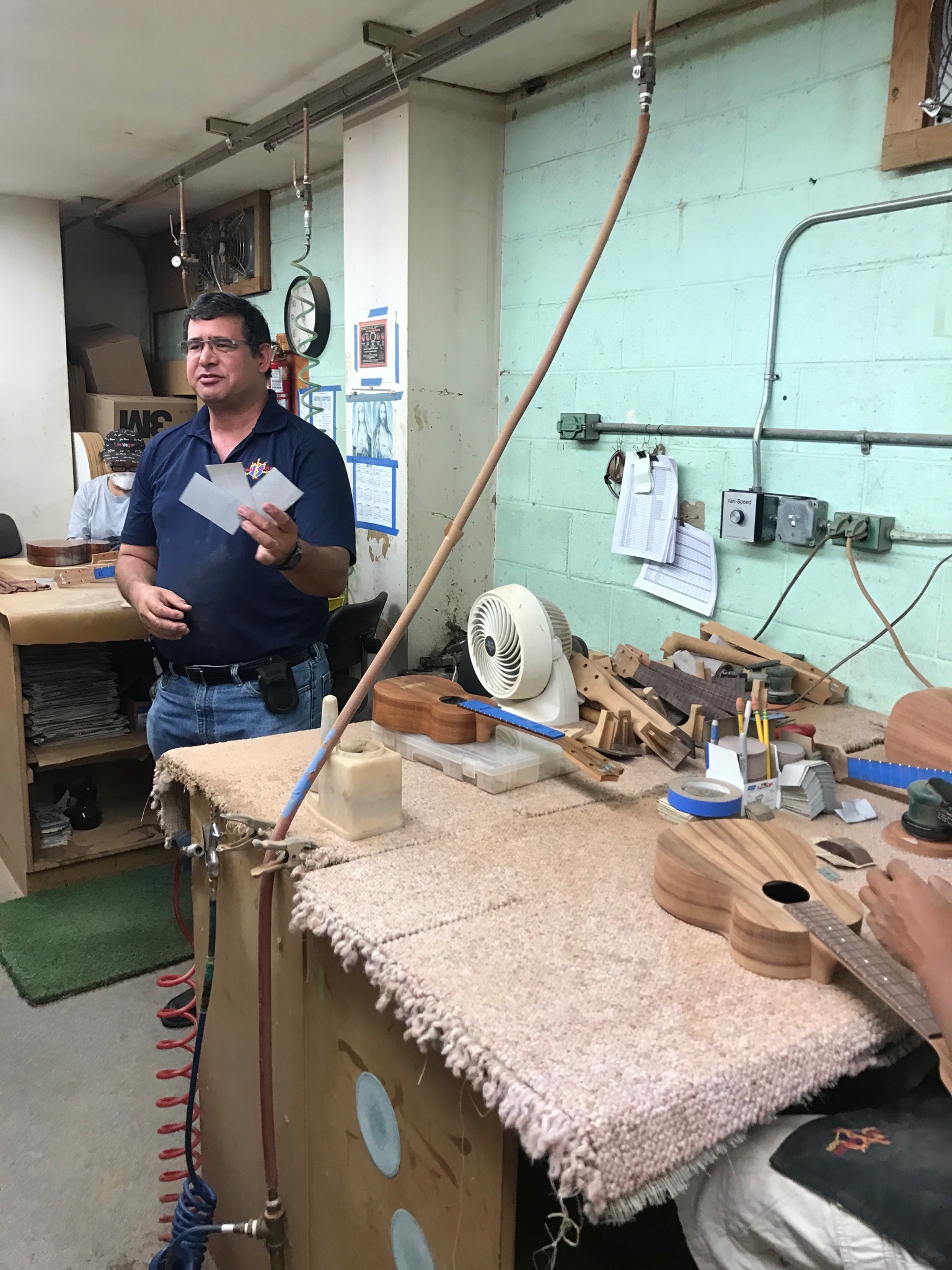
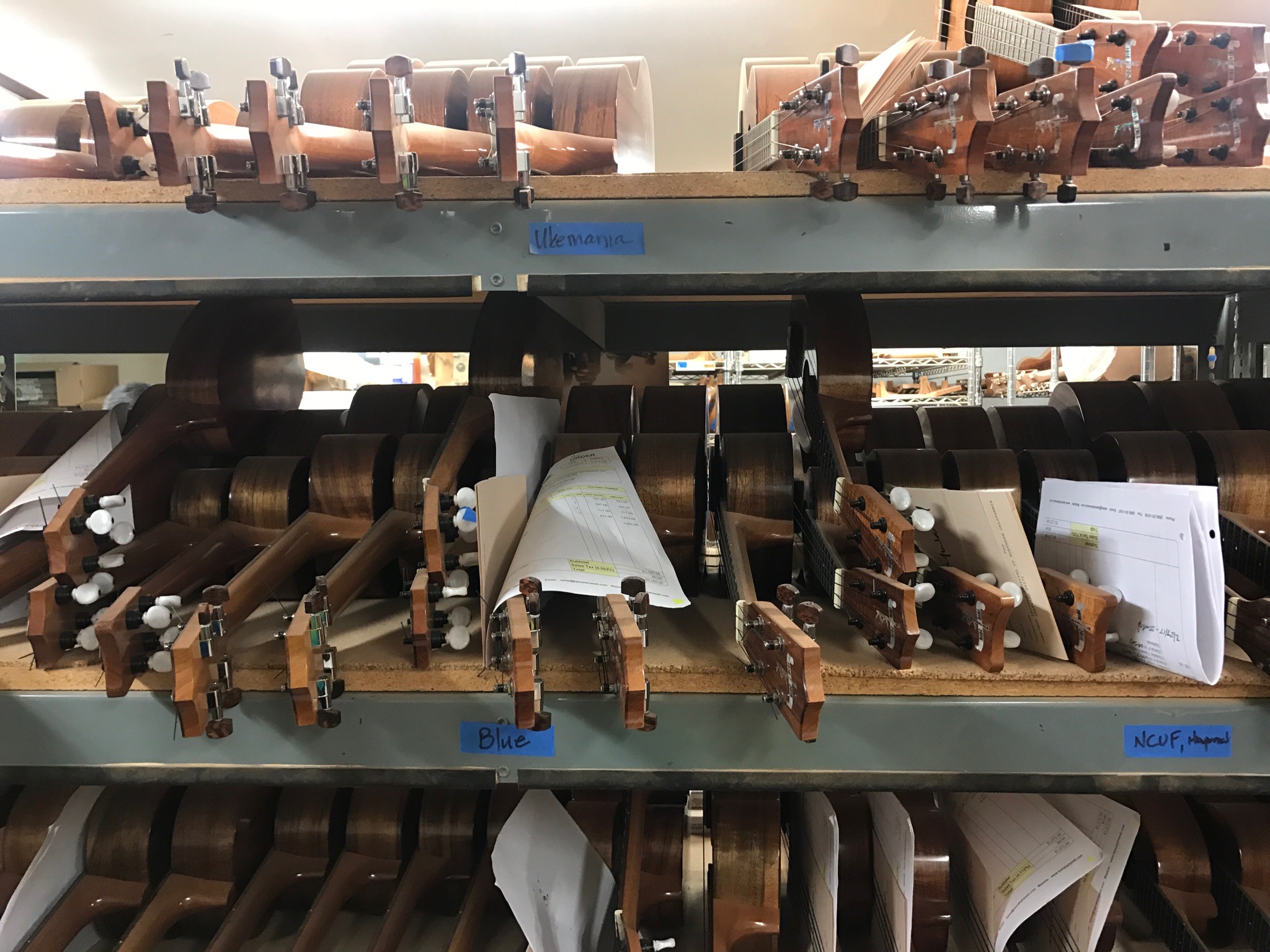
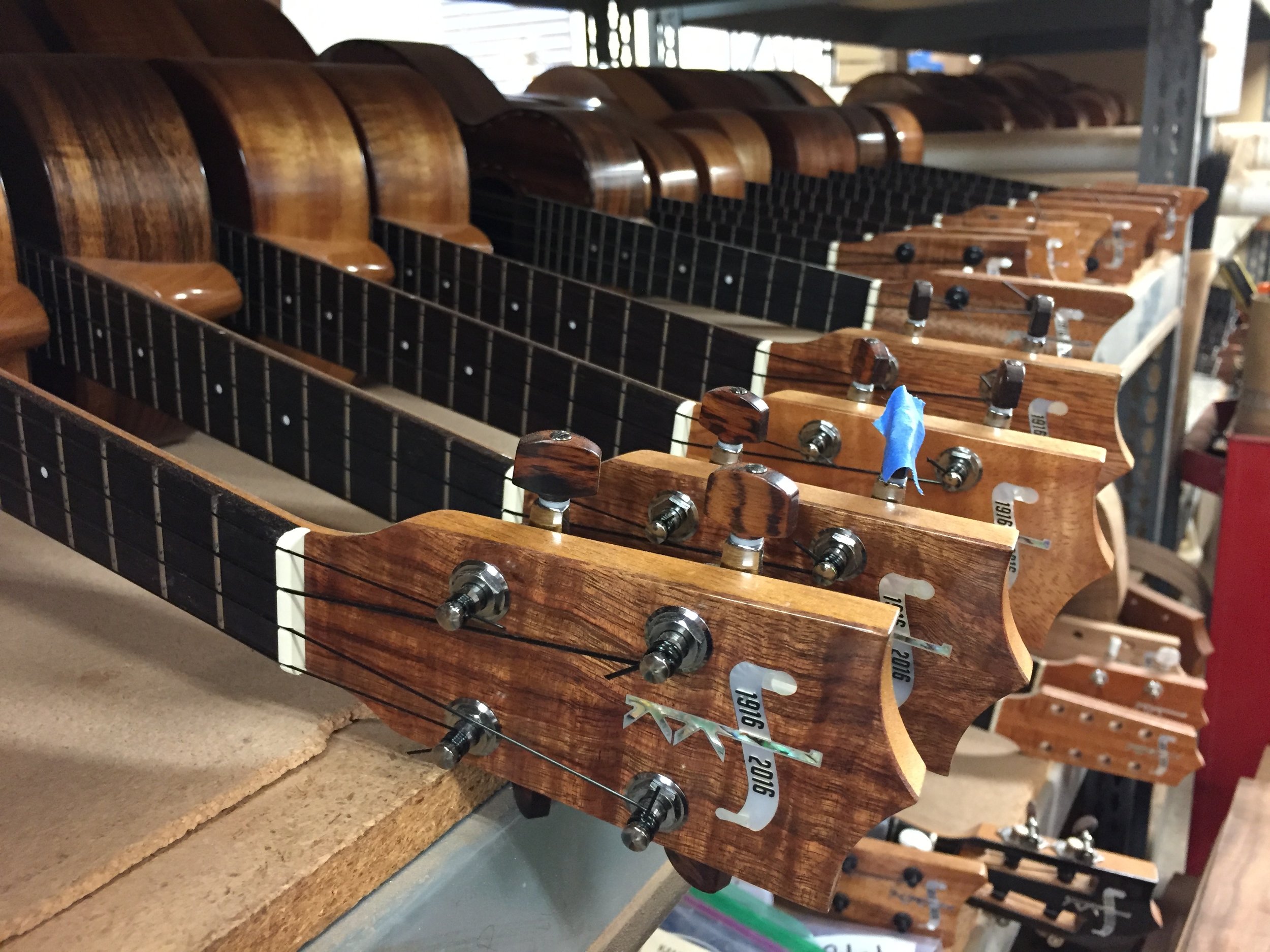
Wanna go? Tours are conducted at their factory in Honolulu, HI, Tuesday - Friday at 10:30 am. Check out their website for more info. The entire tour is free, and it's worth it just to get your picture taken with Fred Sr!

posing with Fred, Sr.
No, You Don't Need to Practice Every Day
Most music teachers will encourage you to practice your instrument every day. But why? Are you rehearsing for a public performance? Are you a musician by trade? Assuming you're learning the ukulele for fun or as a new hobby, I'd much prefer you played what you want, when you want. I truly want the ukulele to be a source of joy for my students (and everyone!). And when was the last time you felt joy completing a homework assignment?!?*
Your relationship with your uke will be happier and more sustaining if you play when you feel intrinsically motivated to play. Even if that means you're only playing once in a while. I pick up my uke for any number of reasons— to provide entertainment for my kids, to create with others, because I want to try out something new, or (most often) because it's fun. What motivates you to play?
* For the occasional student who insists on assignments, I tell them to simply pick up their instrument every day.

Strumming al Fresco: Seacliff State Beach
The temperatures in San Jose were back in the triple digits yesterday, so I packed the kids up into the car and we escaped to Seacliff State Beach, just south of Santa Cruz. I'm partial to this beach, simply because it's so accessible.
Read More
Lisa Houseman is My Spirit Animal
This week, I watched the ABC remake of Dirty Dancing (judge me all you want). Overall I would call the viewing a painful experience but I endured it reasonably well. There was, however, one standout scene that physically pained me. Naturally, it involved a ukulele.
Read MoreYou Can Take It With You!
Heading out of town this summer? Don't forget to pack your uke!

One of the ukulele's best features is its portability. It's perfect for hotel rooms, the beach, the campground, and almost anywhere else you might be heading to this summer. Road tripping? Perfect. You'll almost certainly have room for it in the car. Traveling by air? Bring it on the plane. Your ukulele qualifies as a carry-on item.
If you're worried about keeping your ukulele safe on your adventure, you may wish buy a cheap one (affiliate link) to keep as your designated travel uke. You'll enjoy your vacation more if you're not too concerned about keeping the elements (or children) away from your instrument. Just don't forget to pack your tuner (affiliate link) and Musical Mama binder. 😃
Jam in the Car
If my husband's driving, sometimes I'll even play on the road. We also hold in-car family jam sessions where we take turns picking songs to stream via our smartphones. Egg shakers and jingle bell bracelets (affiliate links) are easy to pack and a simple way to liven up a long day of driving— I have a feeling we'll be jamming to this earworm all summer!
Jam at your Destination
When you're out of town and away from the usual to-dos and responsibilities, you may find yourself with a bit more free time. Won't it be nice to have your ukulele on hand? Just having that vacation mindset may positively impact your playing.
Even if You're Staying Local...
Having a dedicated travel uke means you can bring it on local outings! Taking the kids to the park? Maybe you can strum while they play in the sandbox. Or, if your kids take lessons of any sort, why not play in-between chauffeur duties?
Where will you be playing this summer? I'd love to hear...
Flow
One night long ago, my husband took our baby son out for a walk. I stayed home to spend the evening wrapping Christmas presents. Sounds mundane, right? But it was heavenly. I had two whole hours to dedicate to a task with absolutely no interruptions. That night was the first time in months that I experienced that lovely state of flow, where I was able to completely lose myself in an activity.
Losing the opportunity for "flow" is, for me, one of the most difficult aspects of parenting.
Read MoreQuick Tip: Put It on a Stand
Just a quick post today about how to improve your sheet music viewing and, therefore, your overall playing. In short: buy a stand! Many uke players set their sheet music on a flat surface and look down as they play. But that's really hard on your neck and negatively impacts your playing (and singing!) posture.

I bought this cute little tablet stand from IKEA a while back, and it's been so useful. It easily holds my Musical Mama Foundations binder with all the lesson materials and song sheets, and I've even been using it during private lessons. This stand is portable, so it works well on a table top and is easily repurposed for random kid projects and as a recipe/cookbook holder in the kitchen. You can find it at IKEA for $15.99.

IKEA RIMFORSA Tablet Stand, Bamboo
Happy strumming!
Incorporating Your Instrument into Your Decor
If you keep your ukulele in its case, it's likely to stay there. But that's not where you want it! If your ukulele is out and ready to be picked up at a moment's notice, you will be so much more likely to play it. So, let's talk about the important stuff: how to display your instrument when you're not playing it. There are two basic options— stands and hooks— and they're both easy.
Stands
An ukulele stand (affiliate link) is an easy way to display your instrument. There's no installation required and it's portability makes it great for those who are unsure of where they want to set-up their instrument.

my desk, aka where the magic happens
I have a home office where I prep for lessons. I'm also working on an exciting new project, so I'm constantly playing when I'm working at my desk. It only makes sense for me to keep an ukulele available for strumming here.

in my living room
This pineapple uke sits on a stand right next to the TV. We also keep a banjo, a guitar, and a banjo-lele in the same room, on floor stands. We spend a good chunk of time in this room, and I keep all of our kid instruments in one of the fabric bins in the bottom of the picture. Having multiple instruments out and accessible makes impromptu jam sessions easy. The TV might get turned on once or twice a week, but the instruments get played daily!
Hooks
The age of your children is an important consideration. If you have very young children, you may want to keep your instrument up high!

There are a variety of wall-mount hooks (affiliate link), and they are pretty simple to install. If you're handy, you can even make your own! I love how the instrument hooks in the picture above have been painted to match the wall color. My only concern with a room like this is that you don't want things to look too precious or perfect. After all, the goal is to play, not just admire!

I love how these instruments were able to fit in this living room. They're so cute stacked vertically like this!

Doesn't the guitar look great against that grey wall?
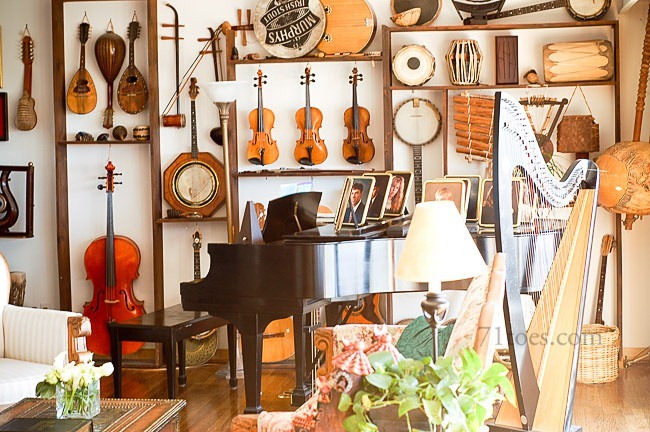
This last room looks like heaven to me! If you can pull off a wall of instruments, go for it. Think of the family jams you could have in that home!
Before you buy: Identify when and where you're most likely to play. Then do your best to keep your uke in that room— whether that's the play room, the living room, a bedroom, or even near the kitchen. If you're unsure, or if you're having a hard time making time for your hobby, experiment by moving your uke around. Sometimes the simple act of relocating your instrument is all it takes to get you in the habit of playing more frequently.
How are you displaying your instruments at home? I'd love to hear about it!
Bringing Your Child to Private Lessons
I know how hard it is to coordinate childcare and find a class that's held at a time that's convenient to your schedule. That’s why, with my beginner’s ukulele course, you have the option of bringing your child to lessons with you!

A Duplo scene created by a three year-old during his mom's private lesson
Children who attend the lessons typically enjoy the novelty of being in a home environment with new-to-them toys. However, if your child has a favorite toy or activity, please consider bringing it to the lesson with you. You’re also welcome to bring a snack for your child.
Babies
Your baby’s needs come first, and we fit the lesson plan around them. Babies love hanging out on a soft blanket and listening to their parent sing and play. If your baby likes to be worn, please bring your carrier to the lessons. The ukulele is very lightweight and small, and it's fairly easy to play while baby-wearing (front or back). You may find your baby enjoys your playing so much that s/he falls asleep during the lesson!
Toddlers
Children this age have pretty short attention spans and may try to join in the fun when they see mommy trying to focus on the lesson! I've seen a wide range of behaviors, and we work around your child's needs— some toddlers prefer to stay right next to their parent during the first lesson while others play nearby with blocks or color with crayons. By your second or third class, your child will likely have adjusted to the structure of the lessons and will be more likely to engage in the age-appropriate activities I have set out prior to your visit.
Preschoolers
Kids in this age range are more likely to partake in activities like coloring, play-doh, or building with blocks or train tracks. Prior to your arrival, I set-up some play stations based on your child's interests. They tend to stay happily engaged in the activities, which makes for a smooth lesson for you!
School-Aged Children
If your school-aged child is attending the lesson with you, I recommend you have them bring along whatever activity (book to read, activity book and markers, etc.) you think will work best.
Special Needs
If your child has special needs, please contact me to discuss arrangements.
Super Simple DIY: Easter Egg Maracas
Last week I was tasked to come up with an activity for my son's kindergarten class. I was looking for a quick, non-messy project the kids could do easily, and a friend shared this idea with me: easter egg maracas!
This is a great all-ages crafts. I'm obviously partial to music-related crafts, and it was a convenient way to use up the surplus of Easter eggs we had acquired this year. The kids all seemed to enjoy making the shakers and then playing with them on the playground afterward, and I had just as much fun as the kids did!
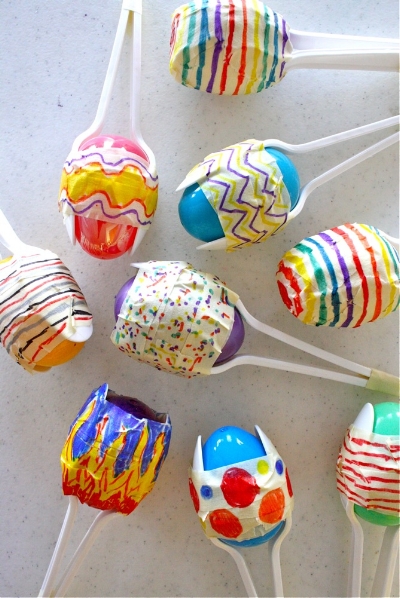
You can find several versions of this craft on Pinterest, but they're all about the same. I followed the version posted on the blog Made Everyday with Dana.
Supplies:
Plastic easter eggs (the small ones work best)
Popcorn kernels (rice, dried beans, or lentils would work, too)
Plastic spoons
Washi tape (Amazon affiliate link)
Instructions:
Fill a plastic egg with popcorn kernels.
Nest the egg between two spoons.
Secure the maraca by wrapping tape around the egg and spoons (little hands may need assistance). You can opt to tape just a few key spots, or go crazy (like my kids did) and wrap up the entire instrument in washi tape.
Shake it!
Considering how easy this project is, the maracas make a surprisingly satisfying sound and would work perfectly at your next family jam!
Family Jam Time!
Today my daughter and I had our first play-along jam session in a long time. I recommend them to students all the time, but I hadn't realized we had fallen out of the habit of it in my own home!

What is a Jam?
Our jams are inspired by the play-alongs that occur in Music Together classes. We simply get out our kid instruments, crank up a song, and play along to the music! If you don't have a basket of instruments, break out the wooden spoons and pots and pans, and take a quick look around the house to see what else might be turned into a noise maker. :)
What's in it for the Grown-Ups
As a mom, I'm partial to activities that are stimulating for my kids AND me. I don't just do these play-alongs to humor my children. I totally get into them and probably get a little too carried away! But honestly, there's a lot that beginning musicians can get out of these jam sessions.
Hone your vocals.
The personalities singing these songs are very expressive and some are quite over-the-top, which I find to be great inspiration for my singing. Sing along if you know the words, and try to match the level of emotion and mood.
Build up your endurance.
Beginning musicians can fizzle out over the course of a song (or songs). Playing along to recordings is great training for developing your stamina. The recorded music will carry you, which is easier than setting and maintaining a tempo on your own.
Boost your mood.
One of the best things about music is its affect on our emotions. Singing whole-heartedly and shaking some egg shakers or buzzing on a kazoo can totally perk me up and turn me into a more joyful, peaceful parent. And that's something everyone benefits from.
What's in it for the Kids
They have your attention.
There's a difference between watching your kids play and actually playing with them. You are doing something together, which makes the activity feel special. Jams are suitable for all ages and development stages, and it's a lot more fun than yet another round of Don't Break the Ice (or whatever your child might be obsessed with lately).
Developing their musicality.
Rhythm is the most important element of music making, and your kids can learn a lot about music through this type of play. Just as you're striving to keep your playing in time with the music, so are your kids! It's so thrilling to see little ones sing along to their favorite song or bang a drum right on beat!
Permission to be loud, Permission to be silly.
Jams are the most fun when you all let loose and get noisy. Kids love to see their parents be goofy, and this playlist is full of happy, upbeat songs that I enjoy as much as my kids do. I hope they are as big a hit in your home as they are in mine.
Feeling the Difference Between 4/4 and 3/4 Time Signatures
Unless you're a regular reader of sheet music, you probably don't spend too much time thinking about time signature! But time signature is an important piece of information that tells you about the rhythm of the song you're trying to play, and it dictates the count of your strum.
4/4 time: A song in 4/4 time has four beats per measure and is counted 1, 2, 3, 4, 1, 2, 3, 4, and so on. 4/4 time is also called “common time” because it is the most common time signature for pop, rock, R&B, folk, etc.
3/4 time: A song in 3/4 time has three beats per measure and is counted 1, 2, 3, 1, 2, 3, and so on. This time signature is also quite common and is often referred to as waltz rhythm.
In my beginner's ukulele course, we learn strums for playing in both of these time signatures. Beginners occasionally get confused about the difference between the two, so I've created a video to help with that!
Note: If you're clapping along to a fast-paced song, you'll no doubt have to increase the speed of your claps! If you're clapping to a slower song, you'll be paced similarly to the examples in the video.
Popular 3/4 Songs:
Oh, My Darling Clementine, Down in the Valley, My Bonnie Lies Over the Ocean, Amazing Grace, Lavender's Blue, Rock a Bye Baby, Little Boxes, and a LOT of Christmas songs are all in 3/4 time. Which one are you most familiar with? Try clapping out the 3/4 pattern as you sing it! Looking for more contemporary tunes to test this out with? Quora has a list of pop songs in 3/4 time. And playlists.net has a playlist of some, too.
Another example of a song in 3/4 that comes to mind (because my kids have been listening to it on repeat!) is "Gaston" from Beauty and the Beast soundtrack. Be prepared to clap quickly with this one, as it's pretty fast-paced!
Popular 4/4 songs:
Almost everything else! I refer to 4/4 time as the default time signature. It's the rhythm most beginning musicians start out playing, and it's the time signature our ears are most accustomed to.
More Unusual Time Signatures:
If you've totally nailed 4/4 and 3/4 rhythms, you may want to familiarize yourself with more complex time signatures. If you have a child who's 5 years or younger, I highly recommend attending a Music Together class! Each song collection includes at least one or two songs in a less common time signature. I've seen songs set in 6/8 (similar to 3/4), 7/8, 5/4, and 12/8. (I'd include links to songs but can't find versions on Apple Music, Spotify, or Youtube).
For more casual listening, Quora has a list of songs set in unusual time signatures.
Feel the Beat!
When you're making music, the absolute number one goal is to keep a steady beat. This is so much easier when you're actually channeling the rhythm of your music through your body. The clapping patterns in the video are a great way to start feeling the beat which, in turn, improves your overall strumming. Plus, it involves no special equipment, and it's something you can easily do when you're hanging with your kiddos!
Do you have a hard time keeping the beat? Or do you naturally have a good sense of rhythm and timing?
PS: Searching for the Gaston video sent me down a Youtube rabbit hole that uncovered this little gem of Josh Gad, Luke Evans, and Alan Menken singing it live at a Disney event.
You may also like. . .


Free Printable: Ukulele Coloring Page
Today I'm excited to be sharing a free coloring sheet. My talented friend made it just for the MM blog, and it's got me feeling like a giant heart-eyes emoji! I love the psychedelic effect of the background pattern and the hand-drawn quality of it— it feels so modern and fresh compared to the coloring pages I'm used to seeing.
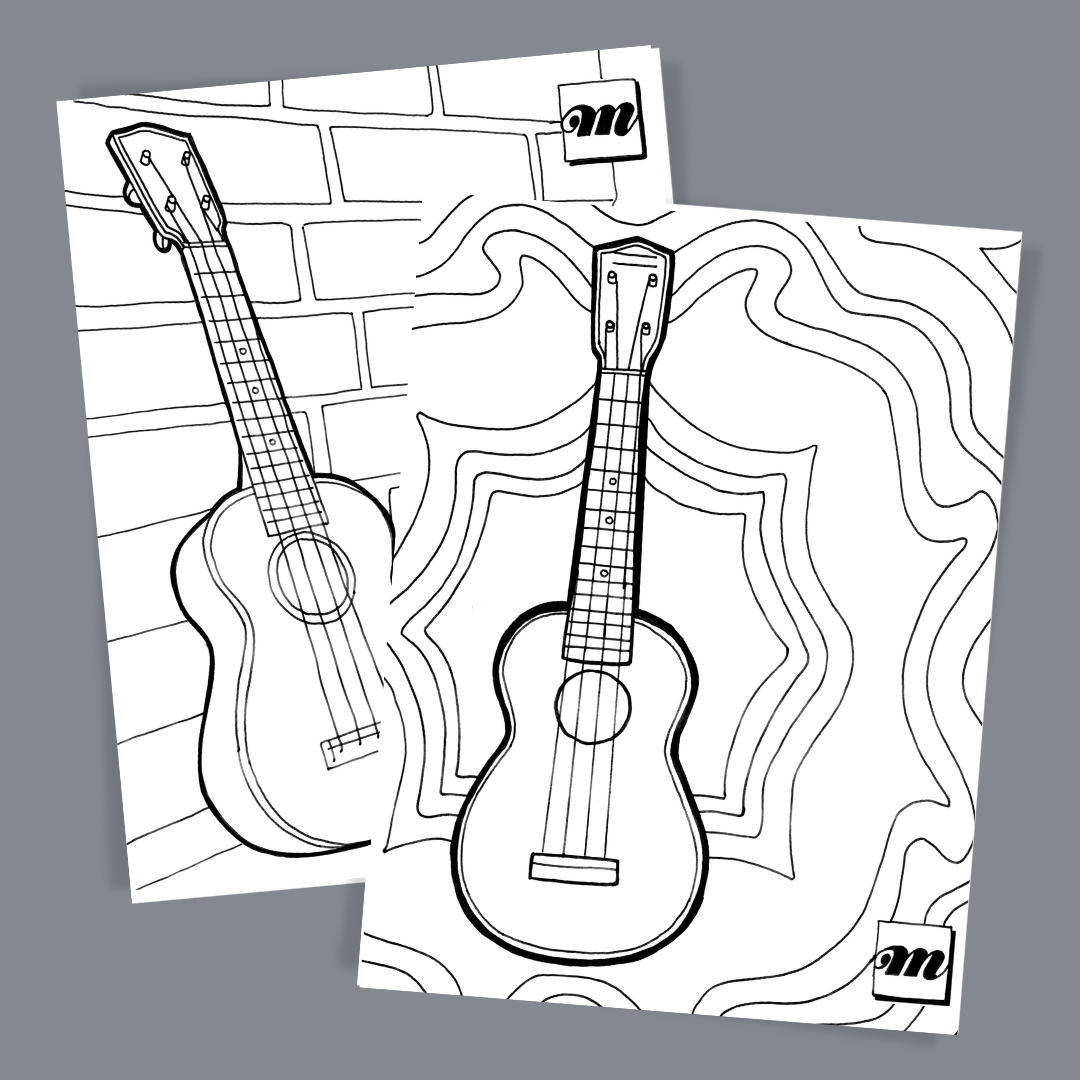
Ukulele Coloring Pages
$0.00
This free PDF includes two different ukulele-themed coloring pages:
Ukulele with psychedelic background
Dinosaur chilling with an ukulele
I've printed out a few copies on cardstock so my kids can paint on them. I think I'll have to paint one myself. :)
Happy coloring!

Finding Time to Play at Home
I love hearing the brilliant ways my students are finding time to play the ukulele, and I thought I'd share a few of those ideas here on the blog. After all, what's working for them might work for you, too! Here are a few ideas for incorporating your new hobby into life at home:
Do you have a child who's a picky eater? Mama H plays her ukulele to entertain her toddler at mealtimes. Isn't that clever?
What about after dinner? Mama C has a nightly jam with her sons. How fun is that? I love that it's become a ritual in their home!
Mama S plays with her daughters in the morning before heading to work. What a fun way to start the day!
Mama E takes her son to preschool in the afternoon and sometimes ends up having some time to kill before pickup time. I suggested she bring her ukulele and Musical Mama binder in the car so she can jam on the go!
Another mom has a toddler who really wants to play her mama's ukulele. In instances like these, I recommend having a few kid instruments on hand. Or even a second (cheap) ukulele so your child can feel more involved in the music making.
When my children were 1 and 3, my most successful time for playing was right after breakfast. Now that they're 4 and 6, I can usually fit in some time in that narrow window between picking up the kindergartener from school and dinnertime. And if I'm honest, my current favorite time to play is probably after bedtime— my kids sleep soundly enough that my playing doesn't wake them and after a long day, it's a nice way to remind myself that I have an identity that extends beyond "mom." :)
You may find you have to adapt your music habit to your children's evolving rhythms as they grow but as with most other aspects of parenting, a little flexibility and creativity can go a long way.
How are you finding time to make music at home? I'd love to hear about it!

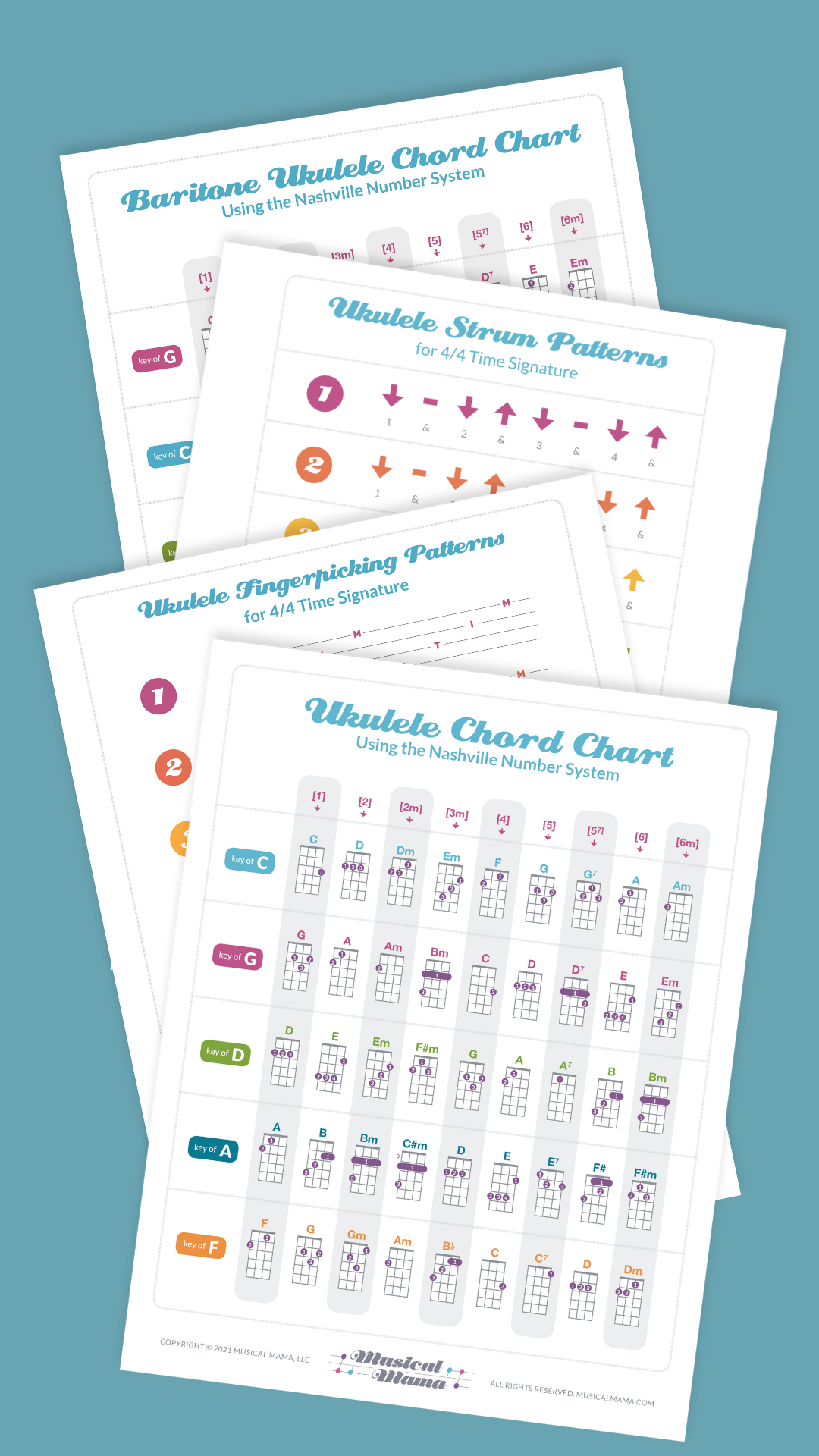
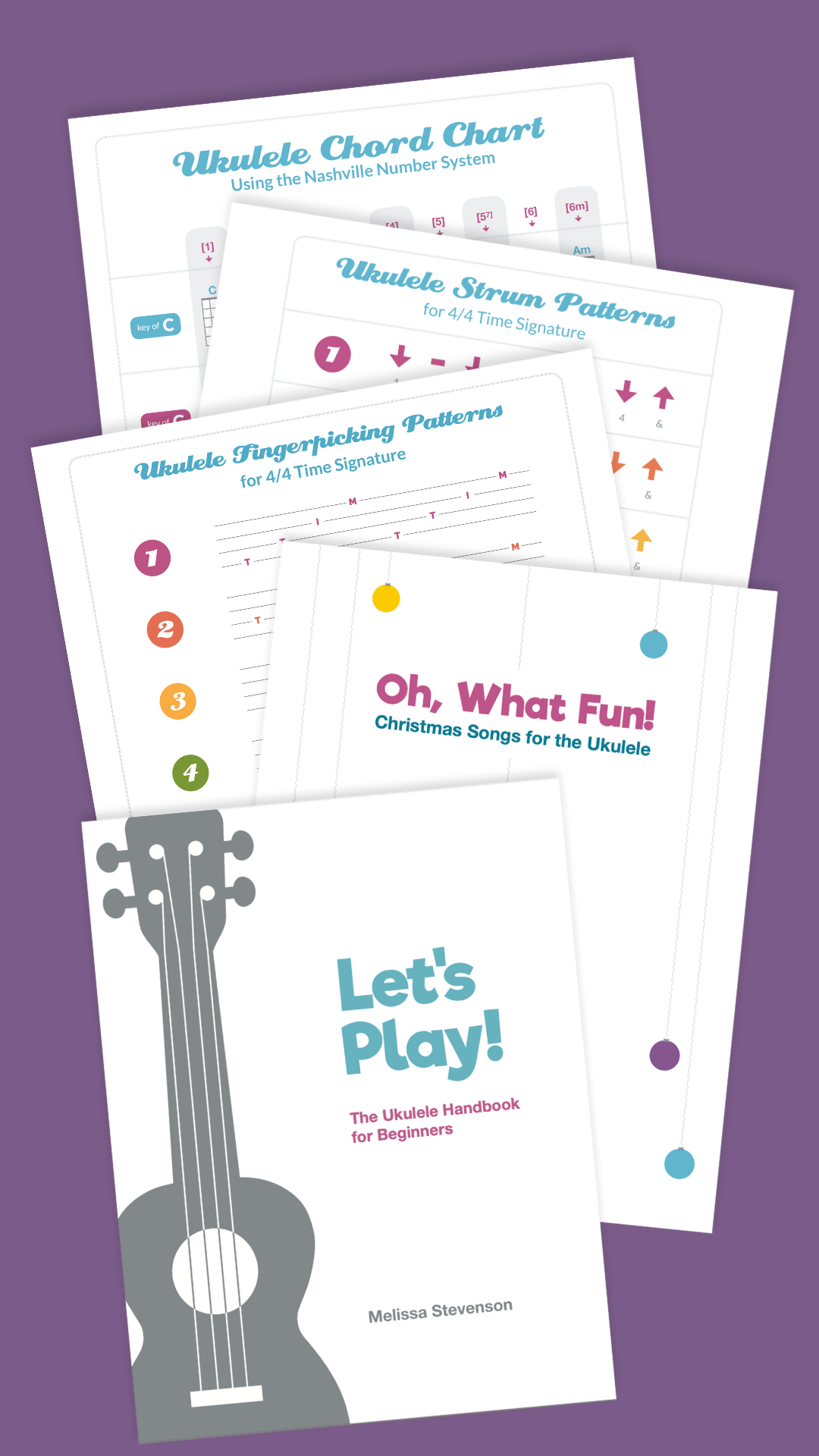
Trouble in Mind is a beautiful blues song that’s excellent for helping us develop our singing and strumming skills. In this tutorial, I play my baritone ukulele in the key of G, using just the G, C, and D7 chords, but you can use my chord charts (available for standard and baritone tuning) to easily find the chords for the eight-bar blues in five different keys!